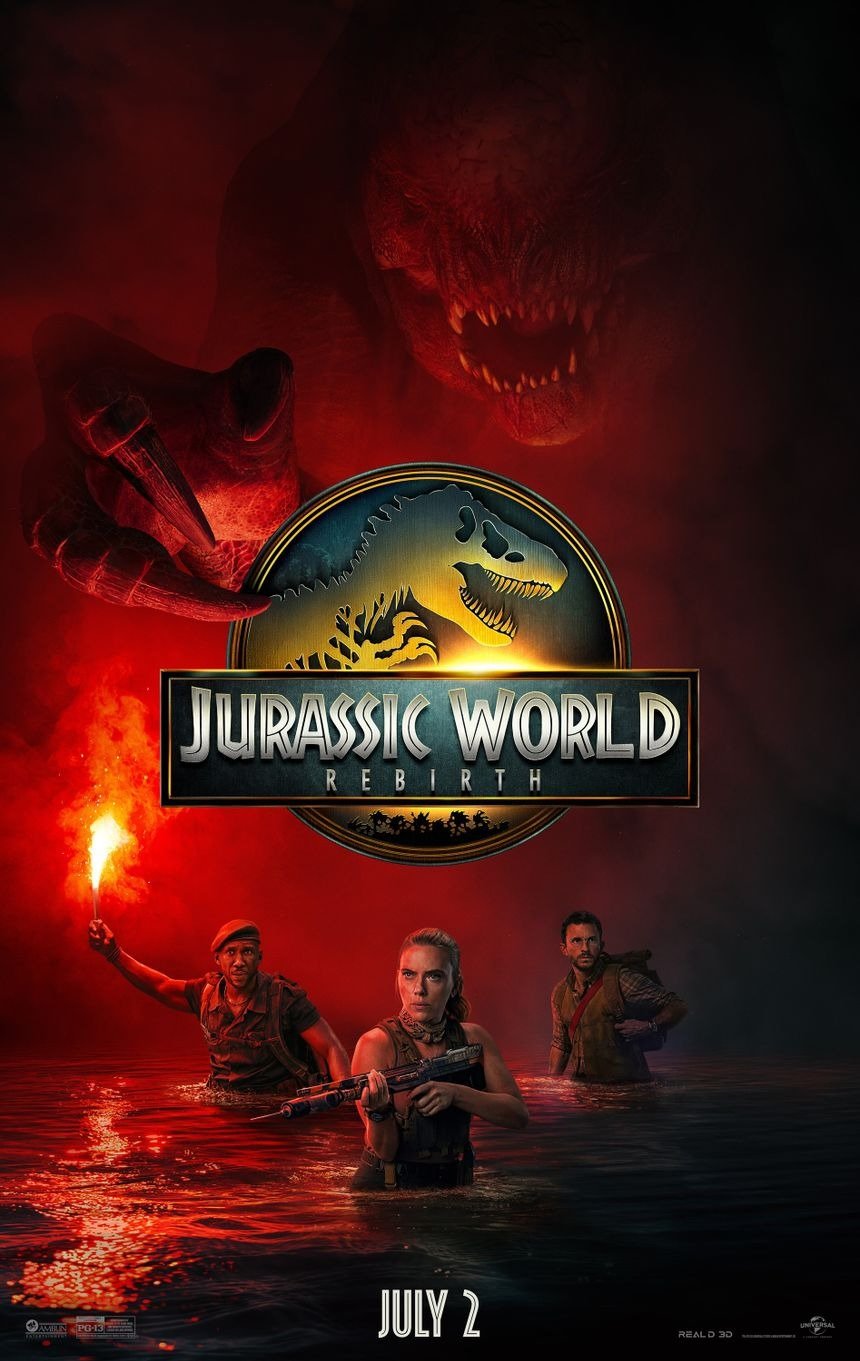
Alright, let’s talk about it.
The news hit the internet like a T-Rex footstep—vibrating through forums and social media, leaving a trail of confused and disappointed fans.
Chad Stahelski, the genius behind the breathtaking, balletic action of the John Wick series, was stepping away from directing Jurassic World Rebirth.
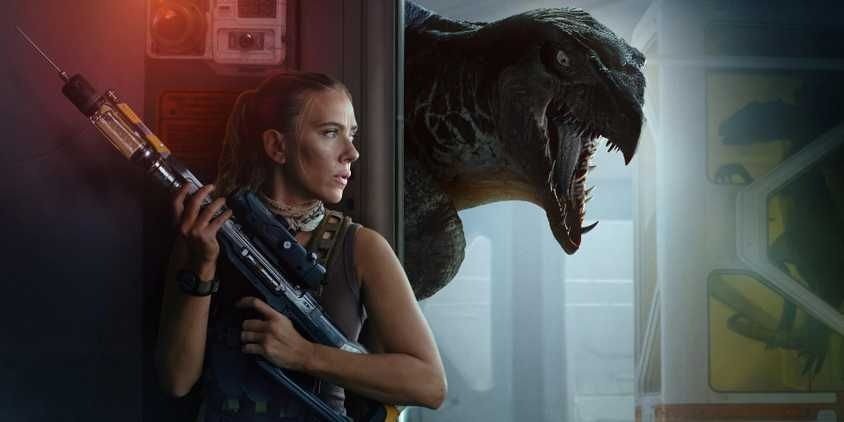
The official reason
The classic Hollywood catch-all: “creative differences.”


It’s the phrase studios use when they don’t want to air dirty laundry.
It’s polite, it’s professional, and it tells us absolutely nothing.
So, what’s the real tea?

After piecing together the rumors from trades, insider whispers, and a good dose of logic, the story behind the story starts to make a lot of sense.
And honestly?
It might not be the disaster we think it is.
Let’s rewind.
When the news broke that Stahelski was in talks, the collective imagination of action fans went wild.
We pictured Keanu Reeves… okay, maybe not Keanu, but someone… executing a perfect judo flip on a Compsognathus.
We imagined hyperkinetic, close-quarters combat sequences with Raptors in a rain-soaked jungle.
Stahelski’s signature style is grounded, brutal, and incredibly precise.
Applying that to a dino thriller is a concept so cool it’s literally all I thought about for a week.
But that’s the thing.
It might have been too cool.
Too intense.
Here’s the prevailing theory: Stahelski’s vision for Jurassic World Rebirth was, predictably, very hardcore.
We’re talking a potentially darker, more horror-adjacent, and relentlessly action-packed take on the franchise.
Think The Grey, but with dinosaurs instead of wolves.
A pure survival story.
And that’s where the “differences” likely emerged.
Universal Pictures has a golden goose here.
The Jurassic World franchise, for all its flaws, prints money.
But it also has an incredibly broad audience—families with young kids, older fans who grew up with the original, and everyone in between.
The studio’s mandate for Jurassic World Rebirth is almost certainly to soft-reboot the universe.
They need to win back audiences who might have been turned off by the tech-heavy, locust plot of Dominion.
They need to get back to basics: humans on an island with dinosaurs.
But they still need it to be a four-quadrant blockbuster.
Jurassic World Rebirth Trailer
That means PG-13. That means balancing scares with wonder.
It means having moments of awe alongside the chases.
A full-throttle, Stahelski-style action-horror film was probably just too far outside that lane.
His movies are a hard R.
They are violent, unforgiving, and masterclasses in practical stunts.
While a director can certainly tone it down, it’s like asking a heavy metal guitarist to just play cheerful pop tunes.
They can do it, but their heart might not be in it.
The split feels less like a dramatic firing and more like a quiet, mutual realization.
Stahelski likely saw the writing on the wall—notes from the studio about reducing intensity, making it more “accessible,” and perhaps focusing less on gritty survival and more on adventure.
For a director with his specific and hard-won creative control, that might have felt like too many compromises.
So, he walked.
And you know what? I respect it.
It’s better than the alternative: a director fighting with the studio every single day, resulting in a messy, compromised film that satisfies no one.
This way, Stahelski gets to go make another incredible project he has full control over (please be Rainbow Six), and Universal can find a director whose vision naturally aligns with the more family-friendly, adventure-spectacle tone they need for Jurassic World Rebirth.
It’s a bummer, for sure.
The movie we imagined in our heads will remain there.
But this isn’t necessarily a sign that Jurassic World Rebirth is doomed.
It’s just a sign that making massive studio films is a complex dance of art and commerce.
Sometimes, even the best dancers step on each other’s toes and decide to sit one out.